
Understanding the psychology of players at pinco casinos
The Allure of Chance and Skill in Gambling
The psychology behind why players are attracted to gambling often hinges on the duality of chance and skill. Players are drawn to the thrill of luck, the excitement of hitting a jackpot, and the anticipation that comes with each spin of the reel. This element of randomness can be exhilarating; it creates a sense of hope that players might defy the odds and walk away a winner. This phenomenon is known as ‘near-miss’ psychology, where players often feel that they were close to winning, which keeps them engaged and encourages further play. Additionally, many find enjoyment in exploring various gaming opportunities, such as Pinco Casino online, where the combination of skill and excitement enhances their experience.
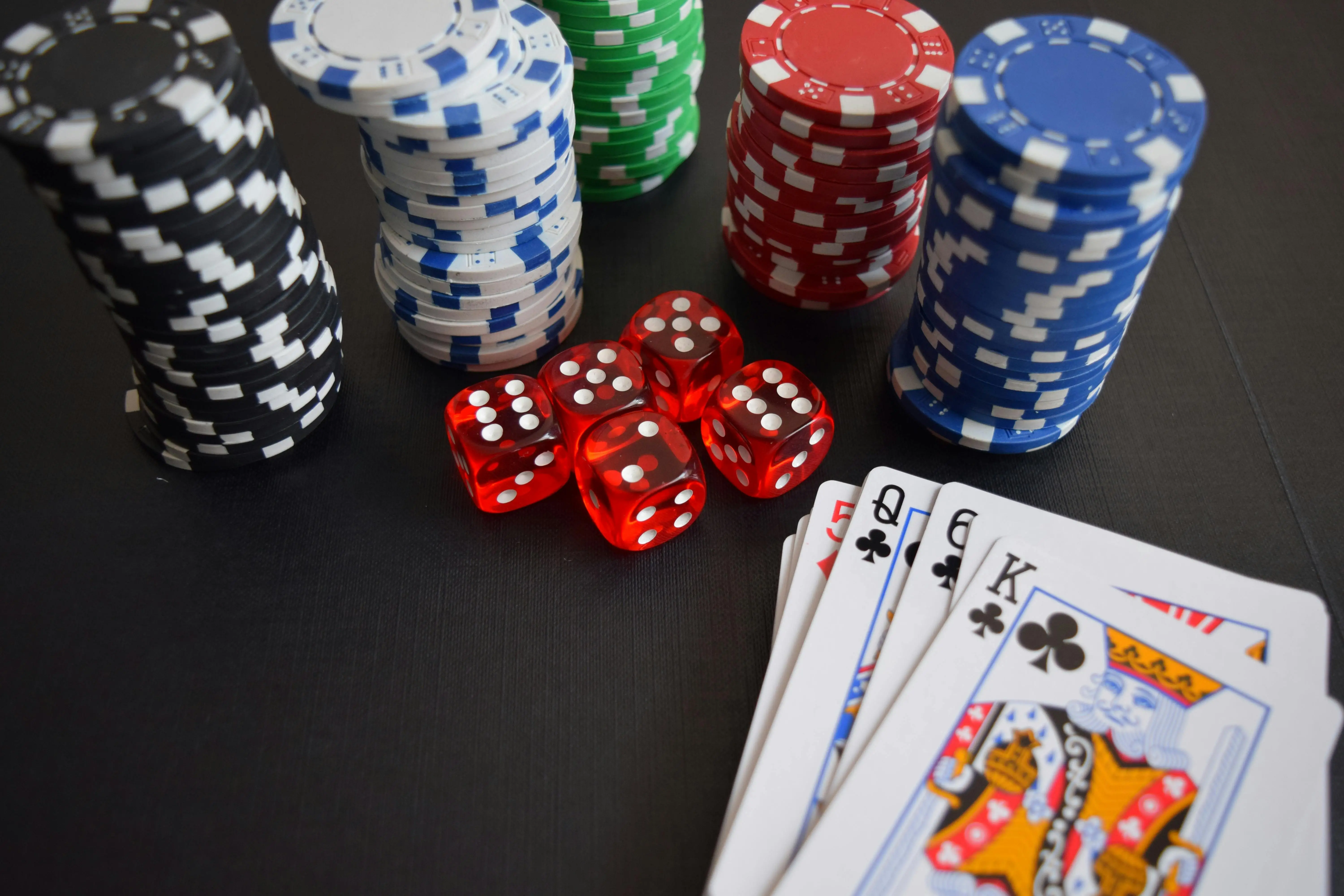
On the other hand, many players believe that they can employ strategies to improve their odds. Games such as poker and blackjack allow room for skill, where knowledge of game mechanics and psychological tactics can lead to favorable outcomes. This interplay between luck and skill can be fascinating, as it creates a unique dynamic among players. They may invest time in honing their skills, while also feeling the rush that comes with leaving outcomes up to chance.
This intricate balance between skill and luck not only affects individual playstyles but also influences social dynamics within the casino. Players often discuss strategies and share tips, creating a community atmosphere that fosters camaraderie. It is this blend of competitive spirit and the thrill of chance that enhances the overall gaming experience at pinco casinos.
The thrill of gambling can evoke powerful psychological triggers, some of which may lead to problematic gambling behaviors. Pinco casinos are designed to immerse players in an environment that stimulates their senses, from the sounds of slot machines to the colorful lights and vibrant atmosphere. These elements contribute to a heightened sense of excitement, which can sometimes mask the potential dangers of excessive play. The thrill of winning can release dopamine, a neurotransmitter associated with pleasure, reinforcing the desire to gamble more.
Moreover, the structure of rewards in gambling can create a cycle of addiction. Unlike traditional forms of entertainment, gambling offers immediate gratification, which can be particularly appealing. Players may find themselves caught in a loop of chasing losses, believing that a win is just around the corner. The psychology of ‘loss aversion’ plays a crucial role here; players are more likely to continue playing in hopes of recovering lost money rather than walking away.
Ultimately, awareness of these psychological triggers is essential for both players and casino operators. Promoting responsible gambling practices can help mitigate the risks associated with addiction, ensuring that the gaming experience remains enjoyable rather than harmful. By fostering a culture of awareness, both players and casinos can contribute to a healthier gaming environment.
Casinos serve as social hubs where players engage not only with the games but also with one another. The social interaction inherent in casino gaming can significantly enhance the player experience. Many gamblers relish the camaraderie that develops at the tables, sharing strategies or simply enjoying each other’s company. This social aspect can serve as a motivator for many players, encouraging them to return to the casino not just for the thrill of gambling but also for the relationships formed.
Furthermore, social comparison is a significant factor in player psychology. Observing others win or lose can impact a player’s decision-making process, instilling either confidence or hesitation. Players might feel compelled to raise their stakes or change strategies based on the outcomes they witness around them. This phenomenon is heightened in games with visible results, such as slots or poker, where the immediate reactions of nearby players can amplify emotions and influence choices.
The presence of professional players and charismatic dealers can also shift the atmosphere in casinos. When players see experts in action, it can inspire them to emulate those skills, thereby enhancing their own experience. This dynamic reinforces the idea that gambling can be not only a game of chance but also a socially engaging environment where learning and community thrive.
The physical environment of pinco casinos plays a pivotal role in shaping player behavior. Everything from lighting to layout is carefully designed to influence how players feel and act. Bright lights and loud noises create an energizing atmosphere, capturing the attention of players and encouraging them to stay longer. The arrangement of machines and tables is often intentional, designed to promote movement and interaction, leading players to engage more deeply with their gaming experience.
Moreover, the use of comfortable seating and inviting decor contributes to a sense of ease that can encourage prolonged play. Players may feel more relaxed and thus less likely to consider the amount of time or money spent. The absence of windows and clocks further disorients players, allowing them to lose track of time, which can lead to extended gambling sessions.
In essence, the environment serves to heighten the emotional highs and minimize the lows of the gambling experience. By crafting an engaging atmosphere, pinco casinos enhance the psychological elements of play, making it vital for players to remain aware of their surroundings. Understanding these environmental factors can help players make more informed decisions about their gambling habits.
As the allure of casinos continues to captivate players, it is vital to emphasize the importance of responsible gambling practices. Awareness of personal limits is essential in maintaining a healthy relationship with gambling. Players should set budgets and time constraints before entering a casino, ensuring that their experiences remain enjoyable rather than harmful. Education about the risks associated with gambling can help empower players to make more informed choices.
Casinos can play a proactive role in promoting responsible gambling. Implementing measures such as self-exclusion programs, offering resources for problem gambling, and providing clear information about games can help mitigate the potential for addiction. Building a supportive community within the casino atmosphere encourages players to seek help when needed, fostering a culture of accountability.
Ultimately, the goal is for everyone to enjoy the thrill of casinos in a safe and responsible manner. By acknowledging the psychological elements of gambling and implementing effective practices, players and casino operators can work together to create an enriching environment for all. This collaboration ensures that the excitement of the gaming experience remains sustainable and enjoyable.
“`